|
|
|
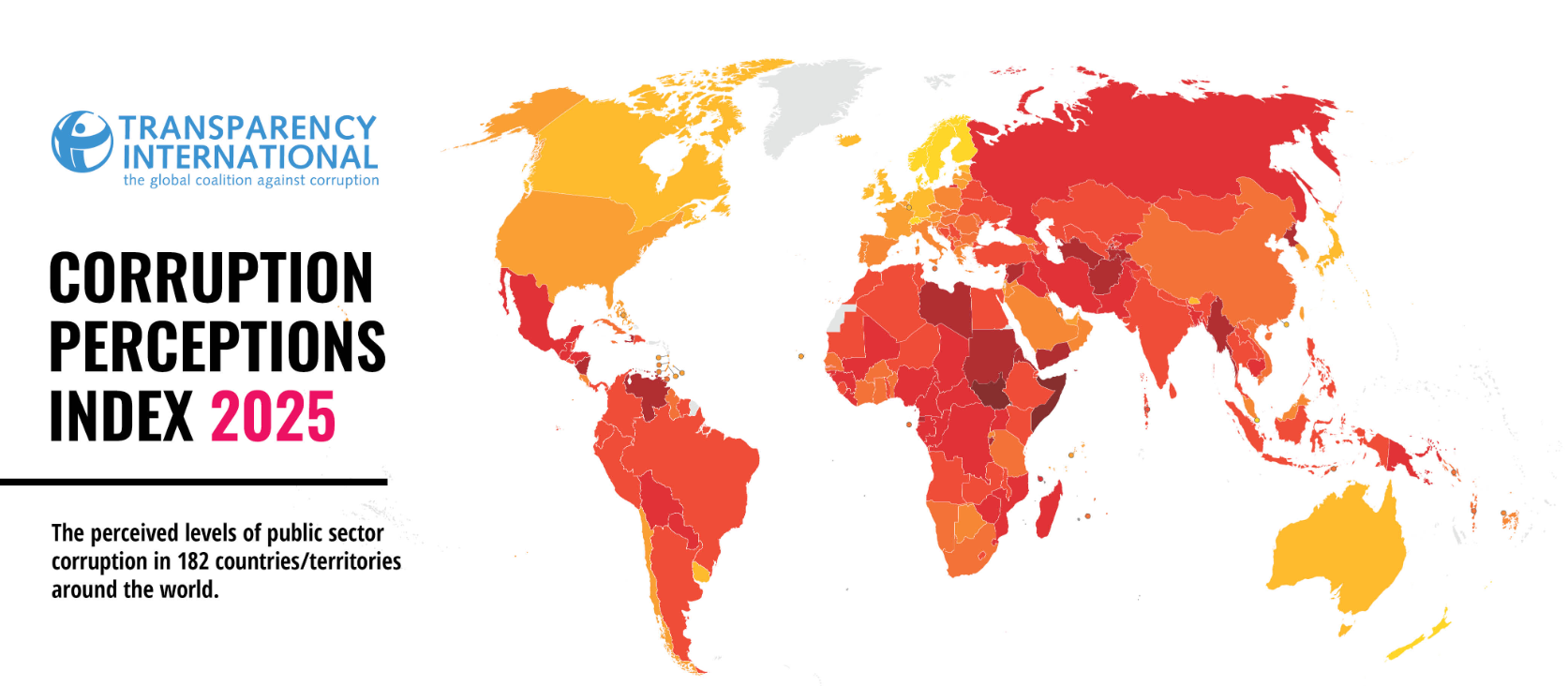
PAKISTAN ON THE CORRUPTION INDEX: A MODEST SHIFT IN 2025
Pakistan’s score on CPI 2025 has increased by 1 point from 27 in CPI 2024 to 28 in CPI 2025.
TI Pakistan highlights that it is imperative that the recommendations in the IMF Governance and Corruption
Diagnostic Assessment are implemented effectively to improve Pakistan’s progress on Transparency International’s
Corruption Perception Index.
|

|
|
PAKISTAN
|
Score
28/100
|
Rank
136/182
|
|
|
|
|
|
|
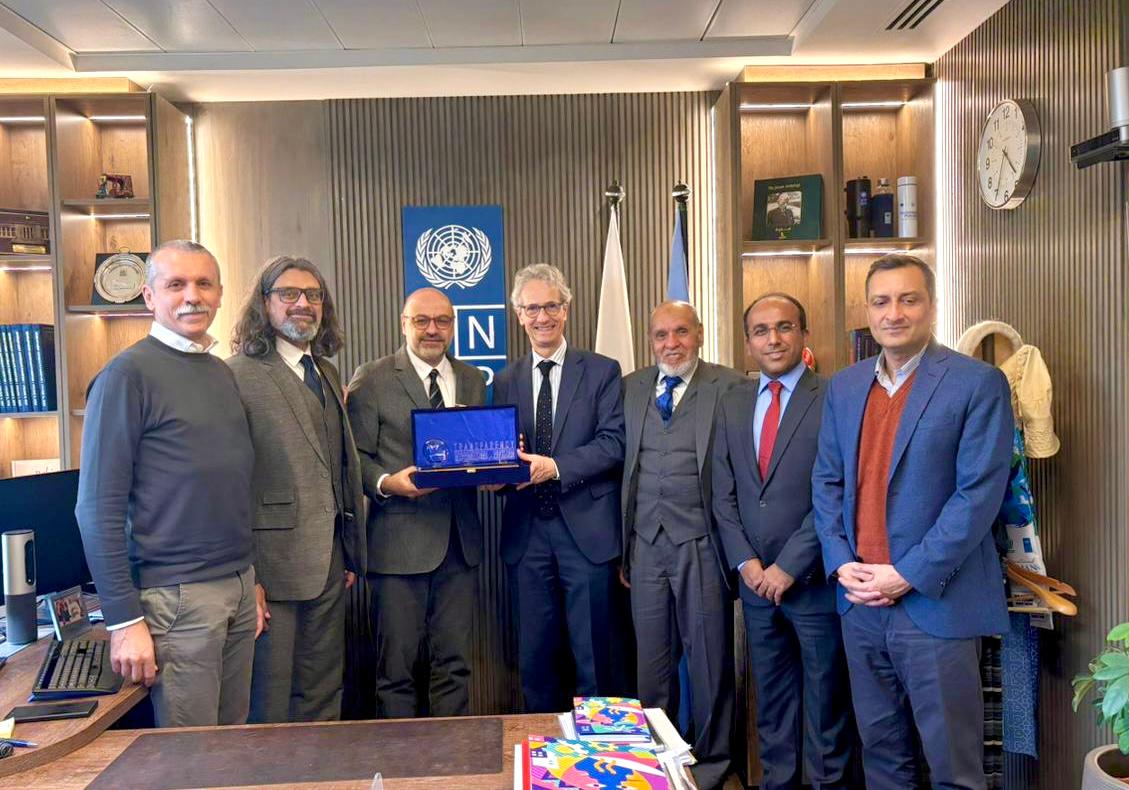
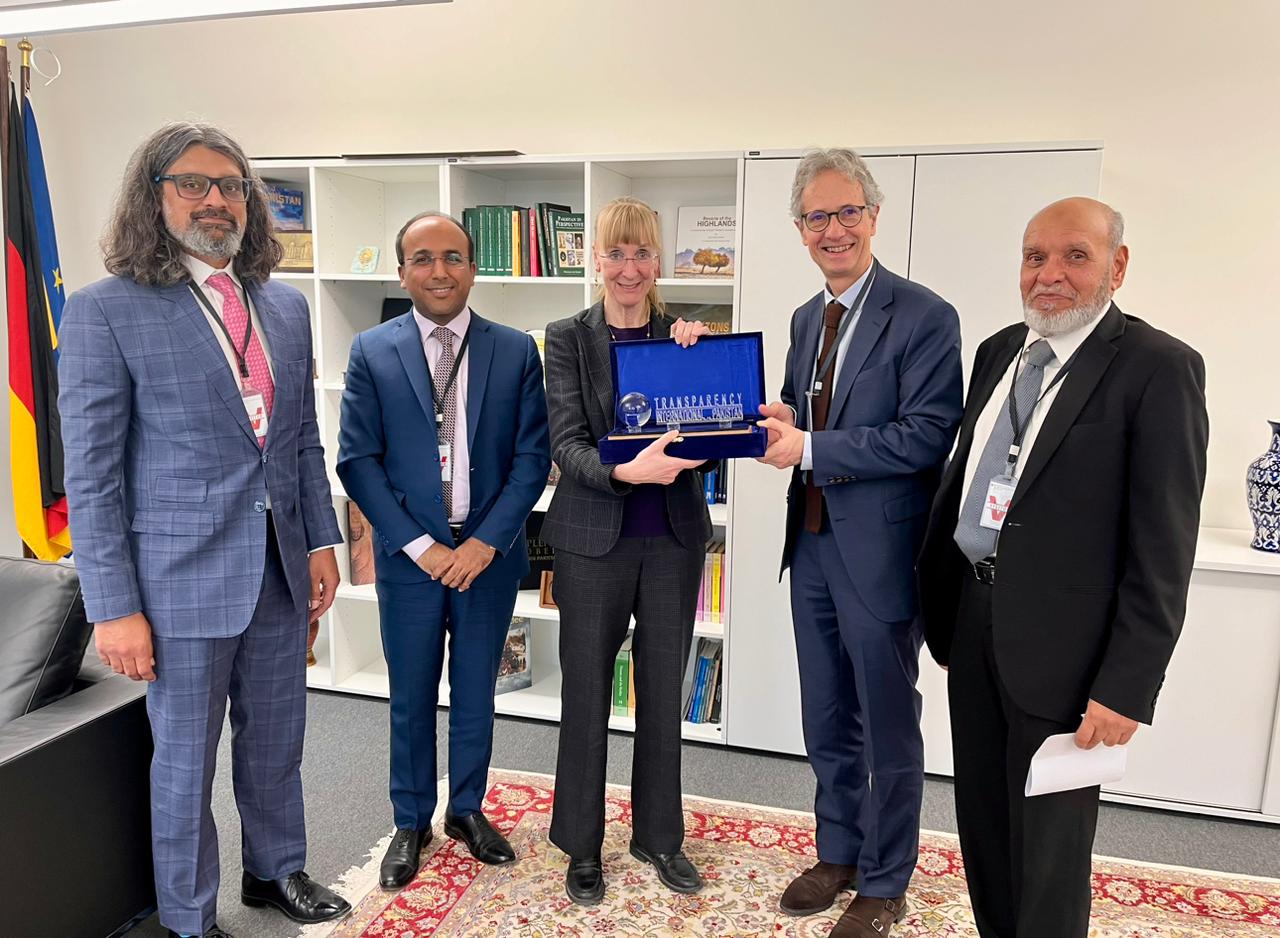
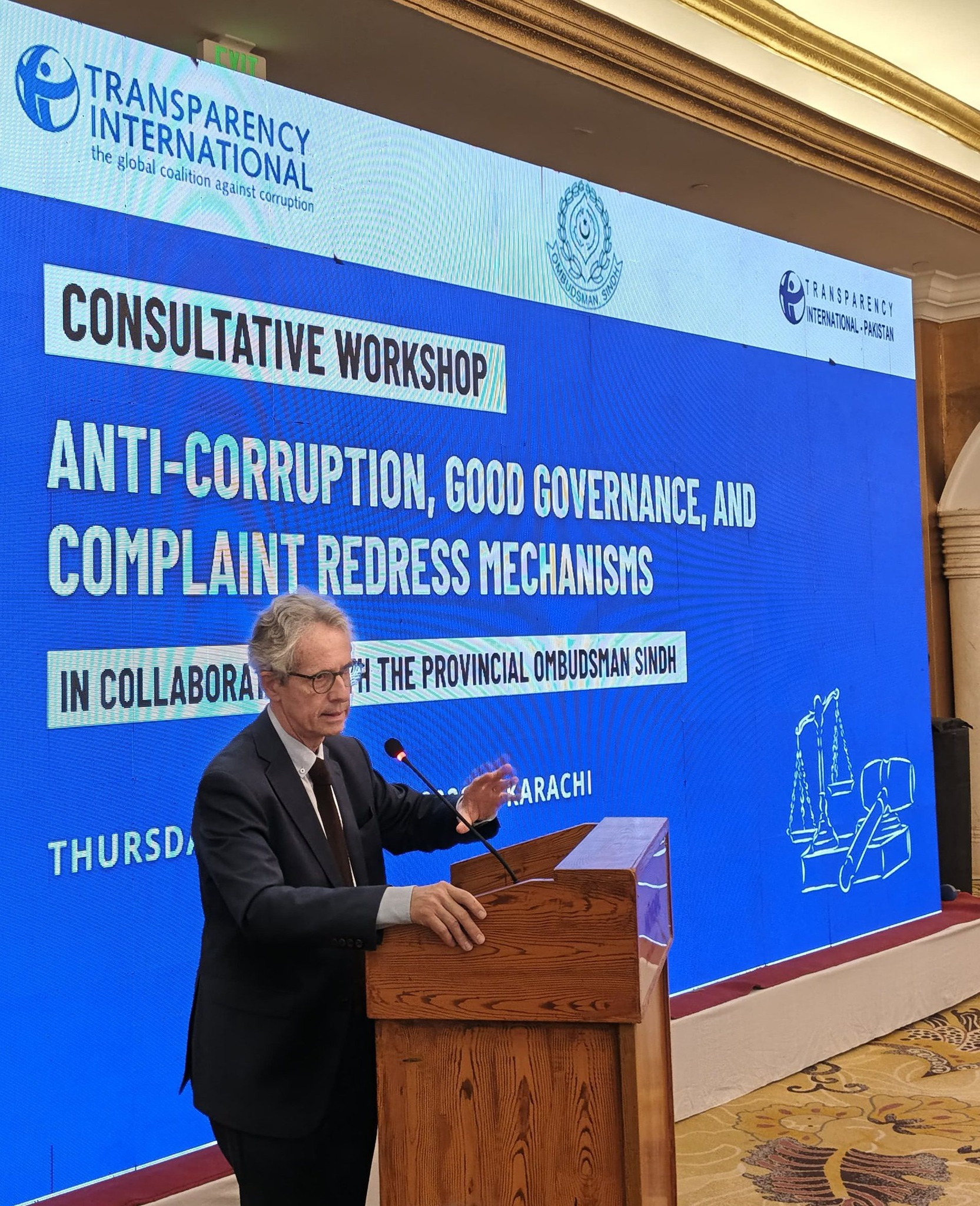
Transparency International Global Chair Mr. François Valérian Marks Productive Visit to Pakistan, Reinforcing Commitment to Governance and Integrity Reforms
|
|
|
Transparency International Chair François Valérian concluded a four-day official visit to Pakistan from
January 26–29, engaging with senior government officials, accountability institutions, development partners, and civil
society organizations. The visit focused on advancing anti-corruption reforms, democratic and climate governance, and
citizen-centric accountability. During his stay, he met with the Prime Minister of Pakistan, Chairman National Accountability'
Bureau, Chief Information Commissioner of the Pakistan Information Commission, provincial authorities, and representatives of UNDP,
UNODC, GIZ, the German Embassy, British High Commission, and the US Consulate Karachi.
|
|
|
|
The TI Chair also engaged with accountability and oversight institutions to discuss implementation of recommendations from the IMF
Governance Diagnostic Report, with particular emphasis on institutional independence, transparency, proactive disclosure of information,
and effective complaint redress systems.
The visit also included engagements with civil society leaders to exchange perspectives on civic space, citizen empowerment, climate
governance, and youth leadership initiatives, reaffirming Transparency International’s commitment to supporting locally led reform efforts.
|
|
|
|
|
|
|
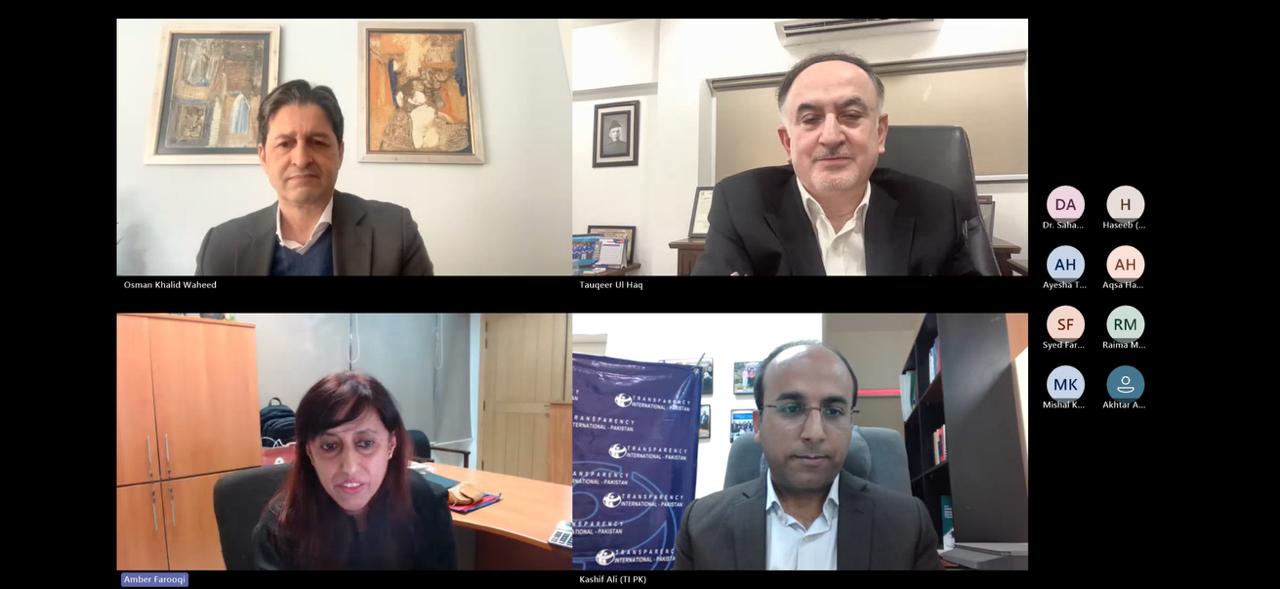
Shaping Resilient Coasts: Governance and Climate Solutions at Asia Pacific Shelter and Settlement Forum 2026
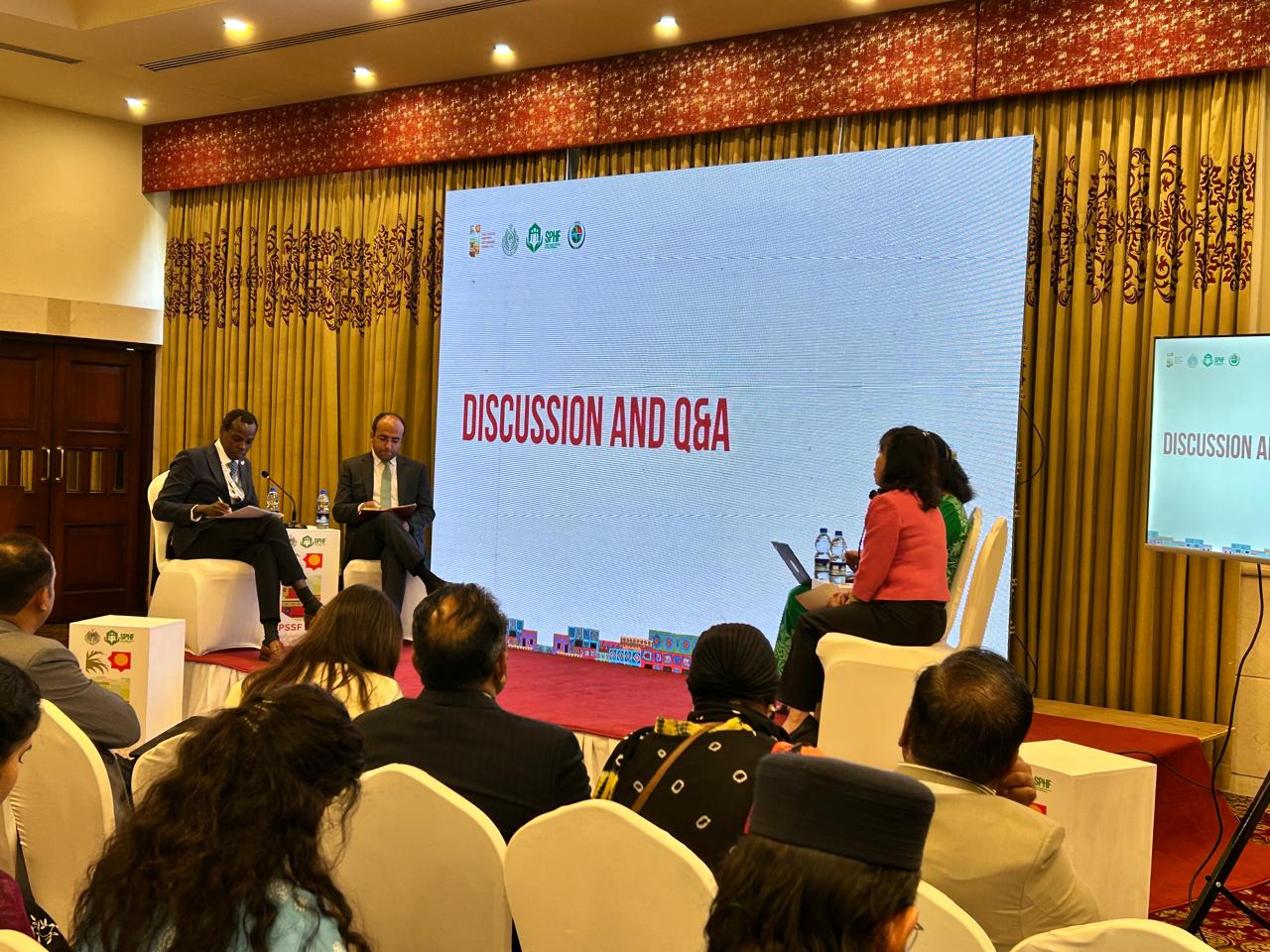
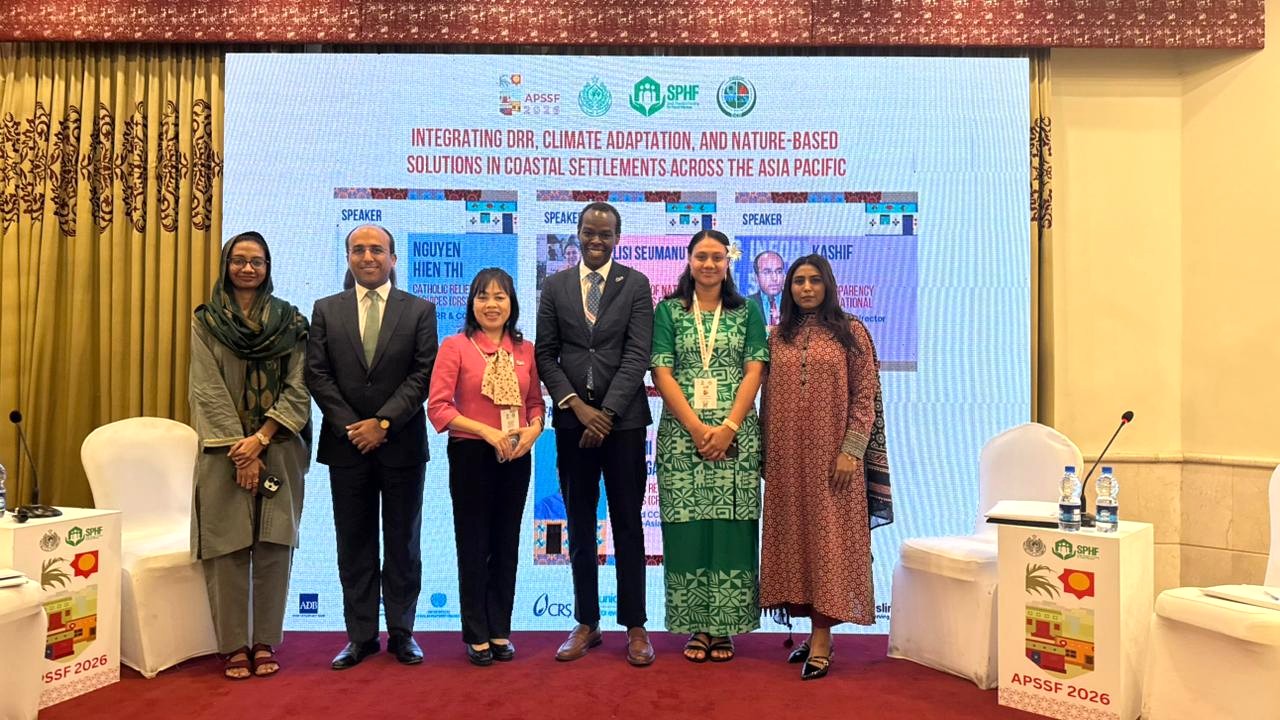
At the Asia Pacific Shelter and Settlement Forum 2026, TI Pakistan joined a regional panel on integrating disaster risk reduction,
climate adaptation, and nature-based solutions in coastal settlements.
Mr. Kashif Ali, Executive Director, TI Pakistan, highlighted that transparent governance, accountability,
and inclusive planning are fundamental to strengthening coastal resilience. He emphasized that integrating DRR,
climate adaptation, and nature based solutions requires coordinated policy frameworks, community engagement, and effective
oversight to address escalating coastal risks such as flooding, erosion, and salinity.
Speakers from across the region shared practical experiences, highlighting community based DRR and climate
adaptation approaches in coastal settlements and embedding resilient shelter standards and anticipatory
action within national community based disaster risk management programs.
|
|
|
|
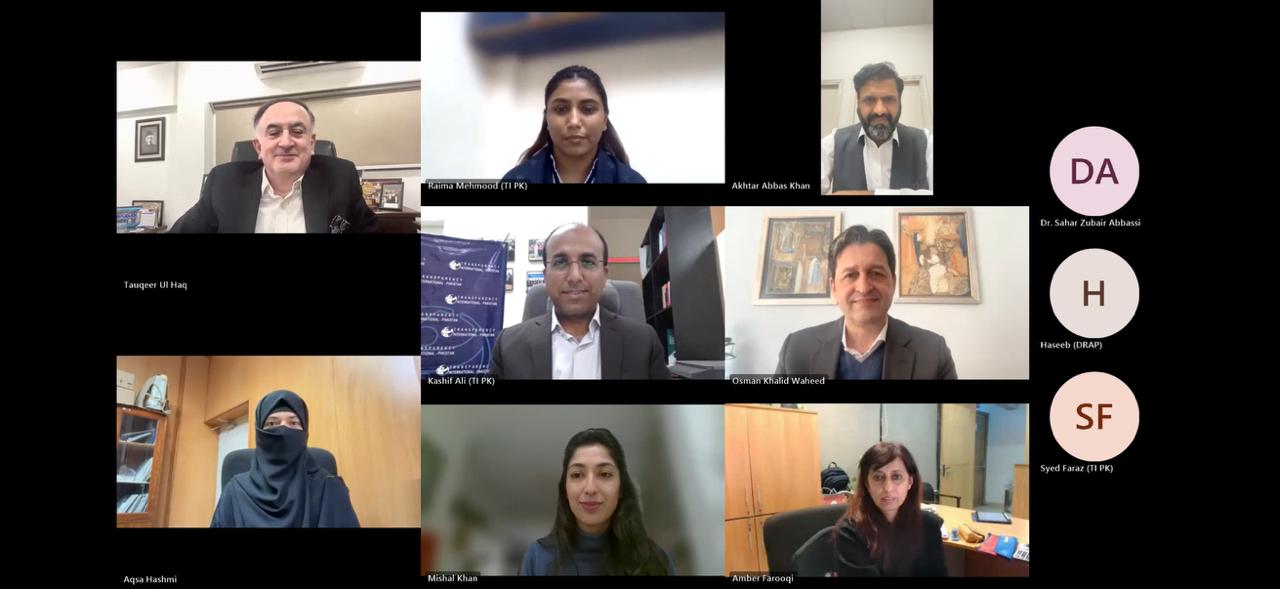
Parliamentary Engagement for a Transparent Carbon Market Governance
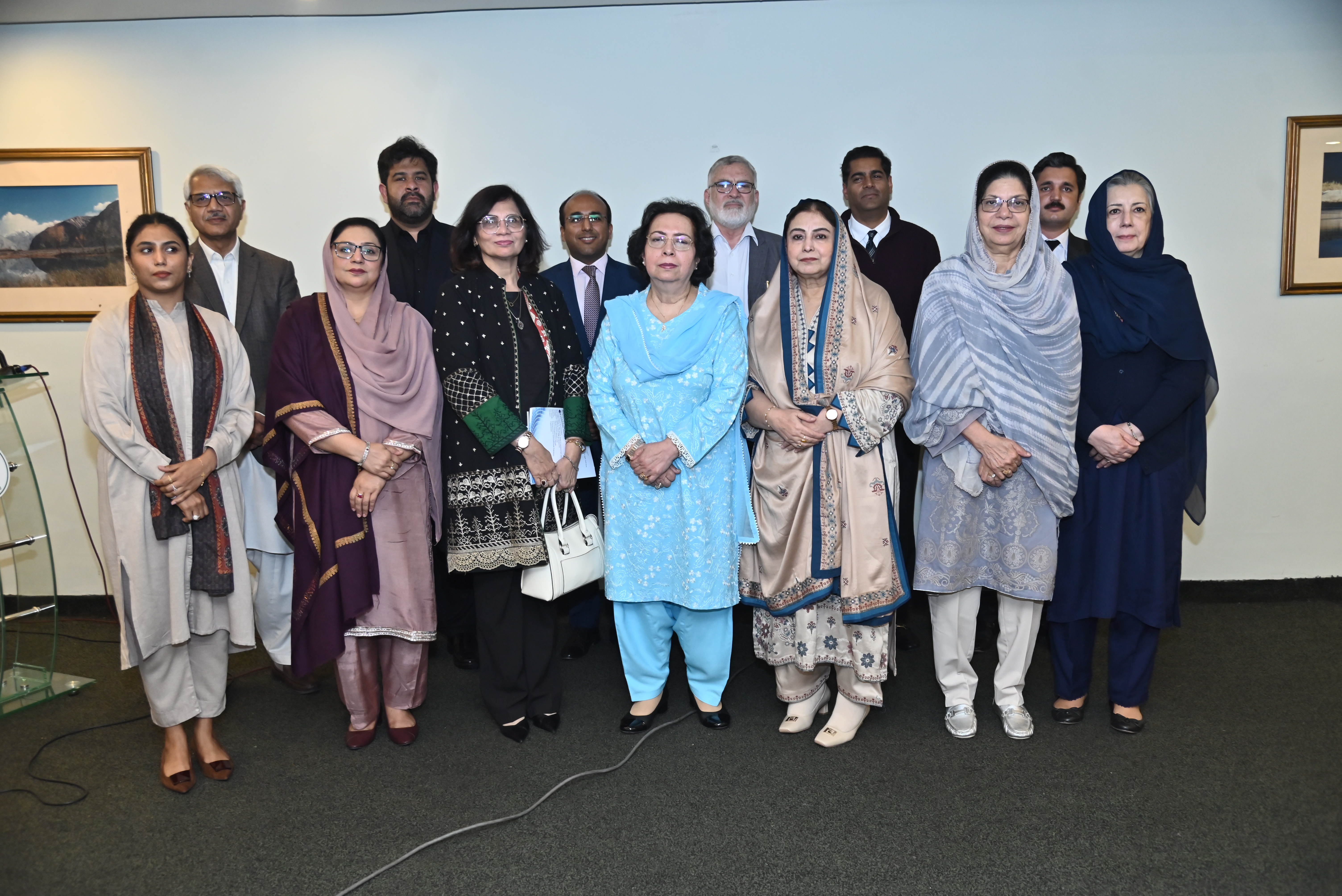
TI Pakistan convened parliamentarians, members of Standing Committees on Climate Change and Environmental
Coordination from National Assembly and Senate, and national experts to discuss the legislative foundations
of a credible carbon market in Pakistan.
TI Pakistan’s roadmap calls for a Carbon Market Act recognizing carbon credits as tradable assets, a national MRV system
(measurement, reporting, verification), and a reliable emissions baseline to prevent double counting.
Parliamentarians proposed provincial caucuses on carbon market governance as a next step, with TI Pakistan
continuing to support the move from policy to operationalising Article 6 of the Paris Agreement.
|
|
|
|
Young Voices, Big Impact: Climate Governance at Bahria University
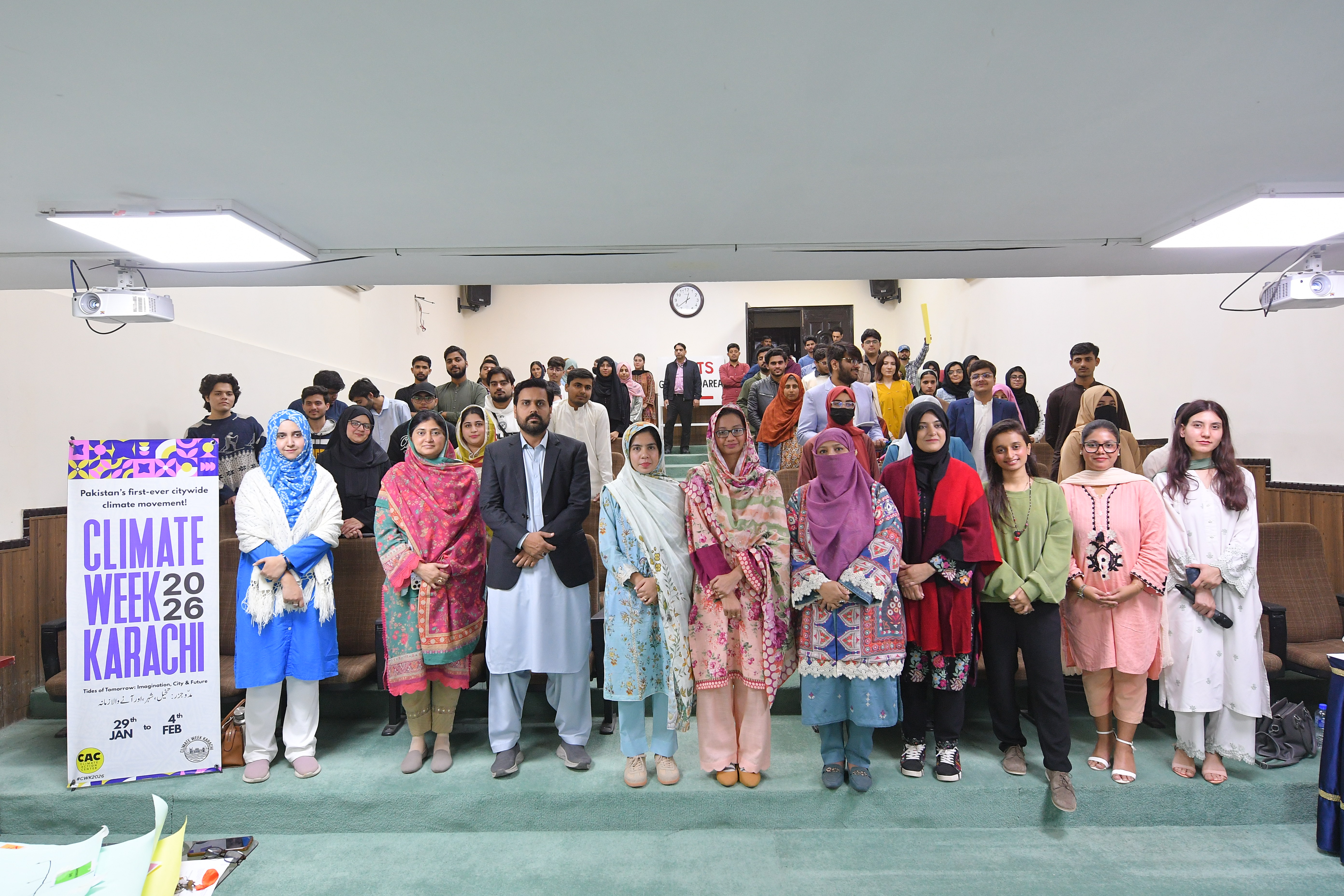
Climate Week Karachi 2026 brought a question into the room that often stays outside it: who is accountable for climate
outcomes, and how do citizens hold them to it?
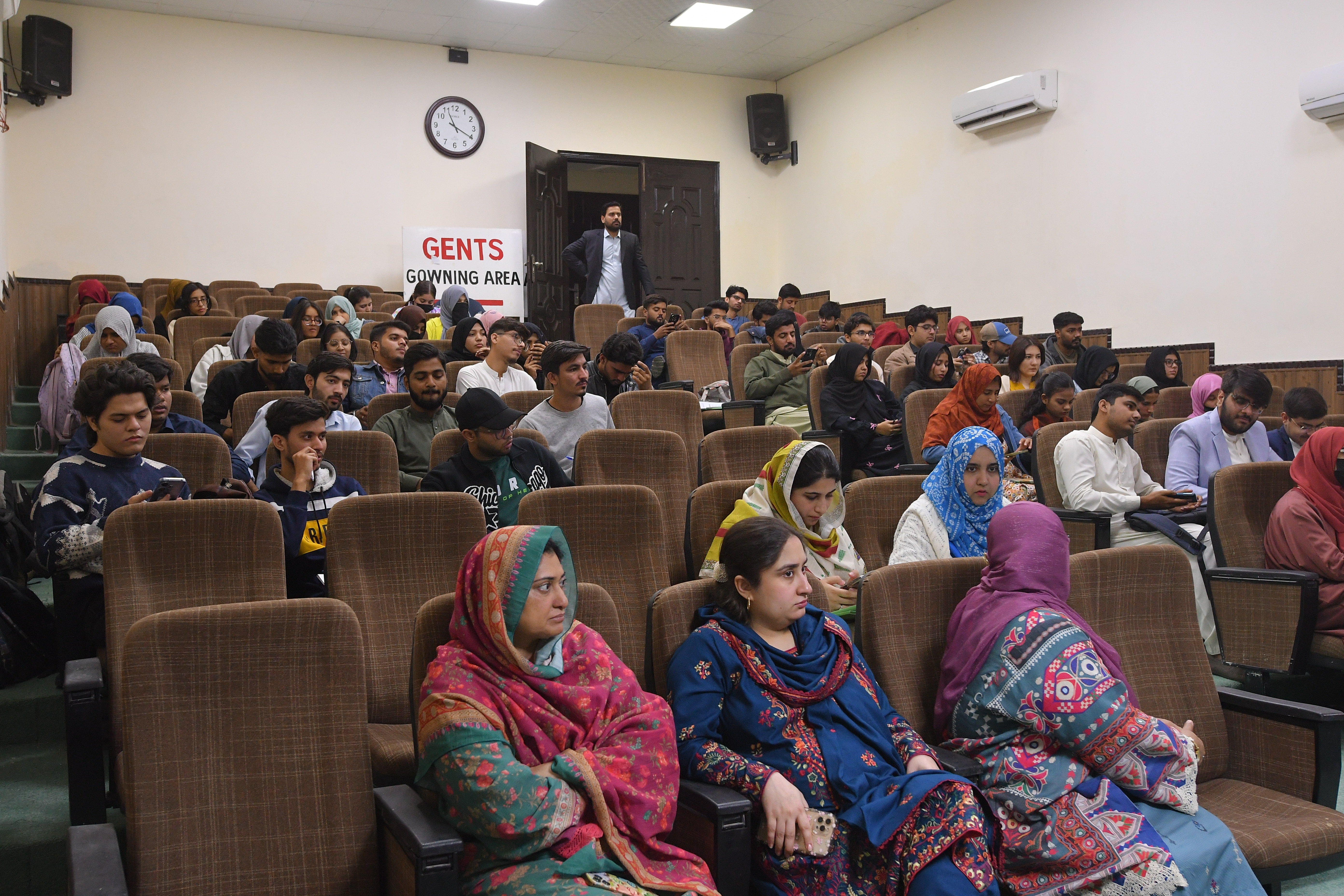
On January 30, TI Pakistan partnered with the Climate Action Centre and Bahria University, Karachi to work through
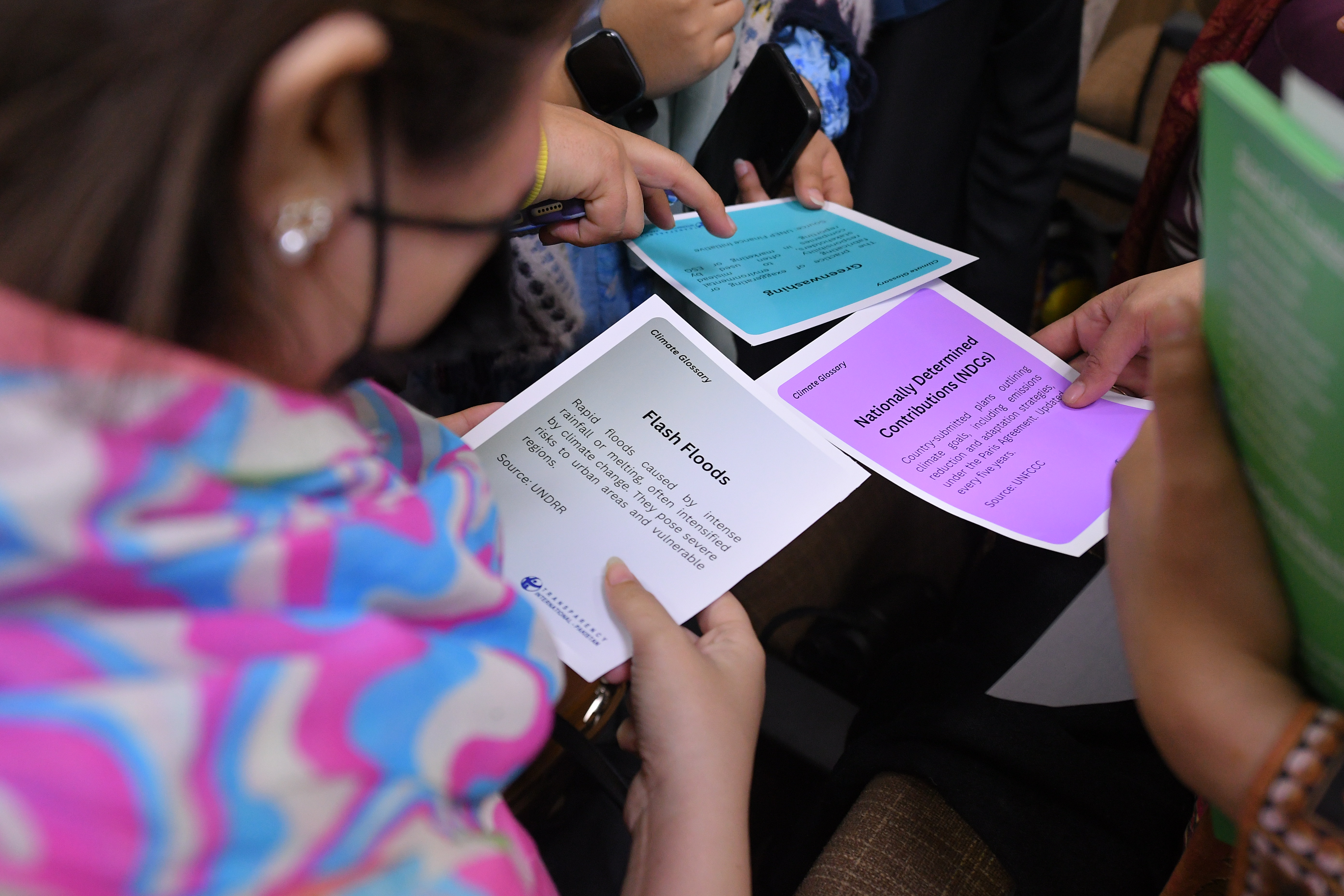
that question with university students. Through activities like "Solve the Climate Governance Puzzle" and balloon pledges
of personal climate commitments, students engaged with climate science, policy, and the gap between climate ambition and accountability
in Pakistan.
The workshop is part of TI Pakistan's continuing engagement with youth on climate governance and social
accountability, building the next generation of citizens equipped to demand transparency from the institutions
shaping their climate future.
|
|
|
|
Advancing Business Accountability: Webinar on Pakistan’s National Action Plan on Human Rights
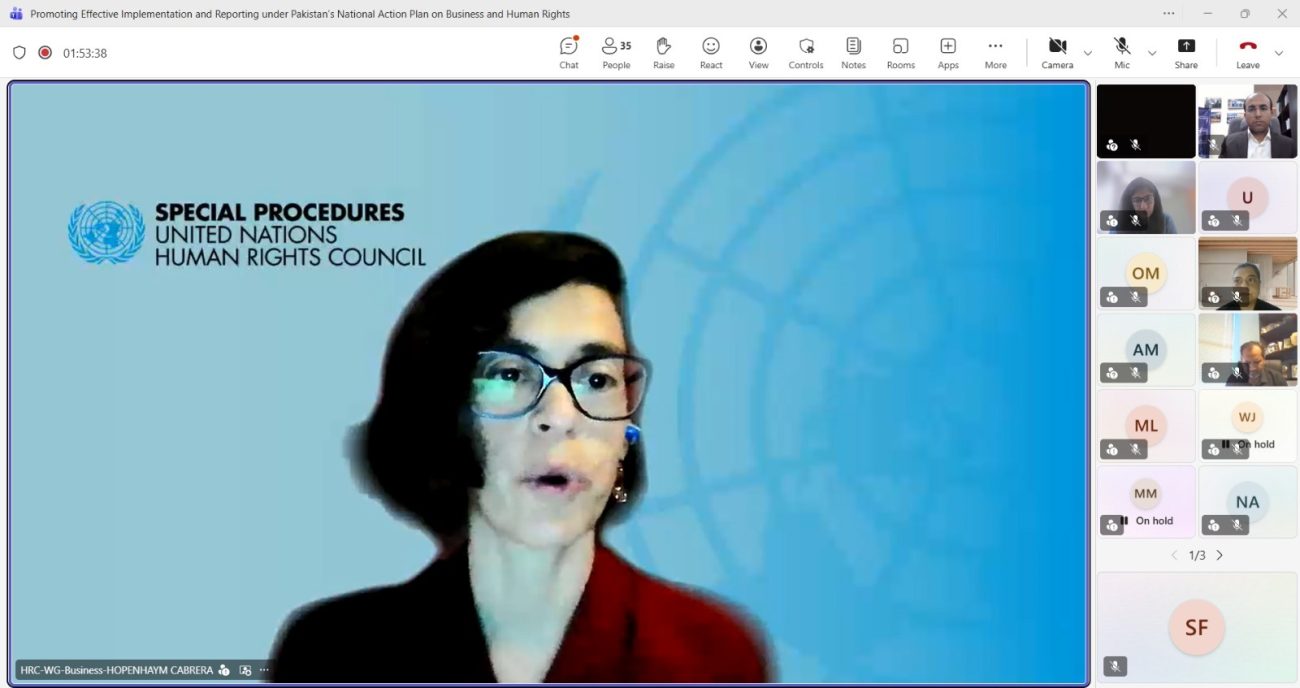
Transparency International Pakistan, in collaboration with ESG Nexus, hosted a webinar on promoting
effective implementation and reporting under Pakistan’s National Action Plan on Business and Human Rights.
The session brought together business leaders, civil society, and government representatives to discuss human
rights due diligence, corporate transparency, and responsible business practices.
Participants explored practical challenges
and actionable steps for businesses to integrate human rights into their operations, improve labor standards, and strengthen
reporting mechanisms. The discussions highlighted the importance of capacity building, step-by-step implementation, and alignment
with national and international frameworks to ensure that human rights and labor standards are respected across the corporate sector in Pakistan.
|
|
|
|
Multi-Stakeholder Committee on Ethical Practices in Healthcare Sector to support reforms in medical education
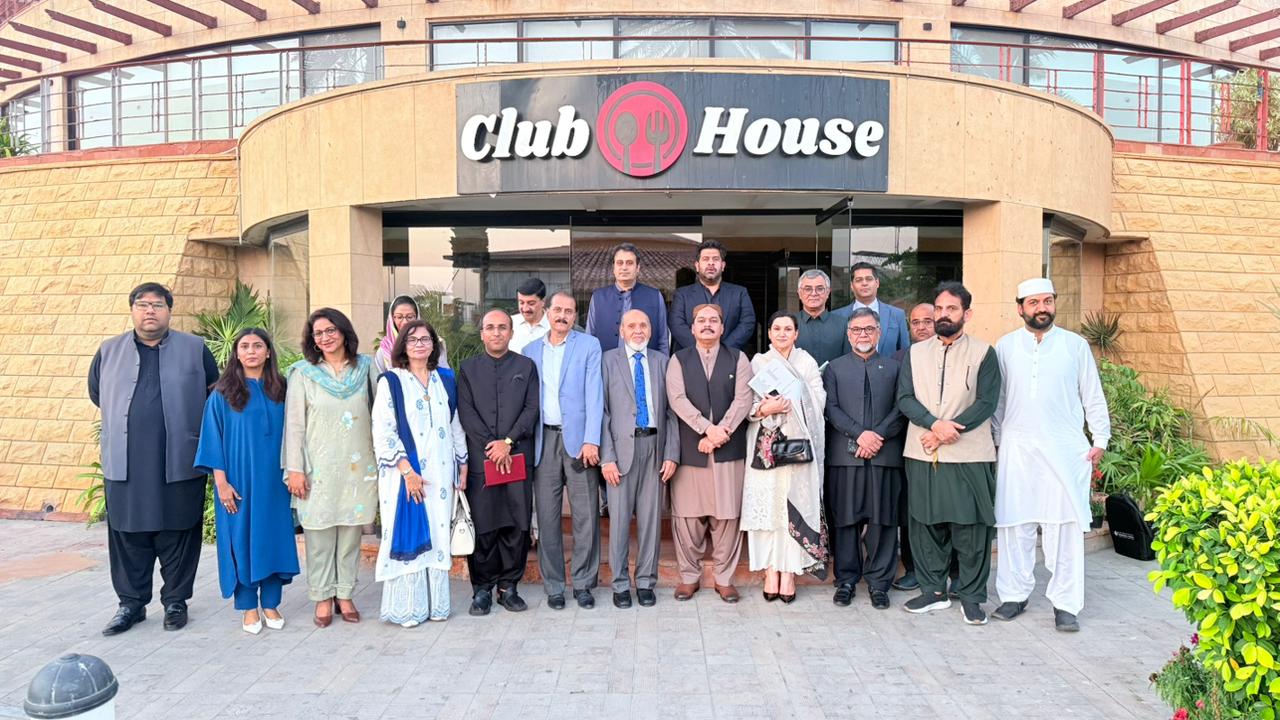
TI Pakistan, in collaboration with PatientsNotProfit, convened the first meeting of the Multi-Stakeholder Committee
on Ethical Practices in the Healthcare Sector to begin addressing them. The meeting brought together the Pakistan
Medical and Dental Council, the Sindh Healthcare Commission, academia, and independent experts.
The Committee is advancing three priorities: supporting the rollout of mandatory Continued Medical Education (CME),
integrating bioethics across medical education and continuing professional development, and addressing unethical prescribing
incentives through stronger oversight.
The MSC will continue working with regulators, industry, academia, and civil society to advance these reforms,
placing patient rights and ethical practice at the centre of healthcare governance in Pakistan.
|
|
|
Related Updates:
|
-
Fact sheet comparing the IMF Governance and Corruption Diagnostic with the Civil Society Governance Diagnostic Assessment on Pakistan
-
Parliamentary Action Paves the Way for Pakistan's Carbon Markets: Read the full report and governance roadmap
-
Legislative Roadmap proposes priority legislative actions to embed carbon markets within Pakistan's legal, regulatory, and fiscal systems
-
TI Pakistan's Youth Climate Education and Fellowship Program at Shaikh Ayaz University brought together passionate youth for learning climate governance, sustainability, and accountability: Explore the Full Journey
-
Climate Governance Innovation Challenge at UET Lahore: Our climate fellows present their innovative ideas
-
TI Pakistan's Climate Governance Journalism Fellowship empowering journalists to strengthen transparency, accountability, and public engagement in climate reporting
-
TI Pakistan and Employers Federation of Pakistan (EFP) discussion on the importance of regular, structured training initiatives for companies
-
TI Pakistan and PatientsNotProfits (PnP) meeting with CEO of Sindh Health Care Commission (SHCC)
-
Panel Discussion on Diagnosing the Governance and Planning Gaps: View glimpses
-
Free Legal Advice Camp, in District Sanghar, Sindh
-
Capacity Building Workshop on Punjab Transparency and Right to Information Act 2013 in District Rajanpur, Punjab
-
Webinar on International Women's Day 2026, Full webinar recording
-
Panel Discussion on Urban Challenges of Pakistan: Urban Climate Forum by Sohail University with knowledge partnership of Transparency International Pakistan
-
Knowledge Partnership at EESD 2026 Conference: Conference by Mehran University of Engineering and Technology in collaboration with Civil Society Support Programme
|
|

|
Plot No. 72-C, Mezzanine Floor, Street No. 8
Jami Commercial
DHA Phase 7
Karachi, Pakistan
transparency.org.pk
Free Legal Advice:
0333-2261415 alacpakistan1@transparency.org.pk
|
For more information and the latest updates, we invite you to follow us on our social media platforms.
|
© 2026 Transparency International Pakistan
|
|